
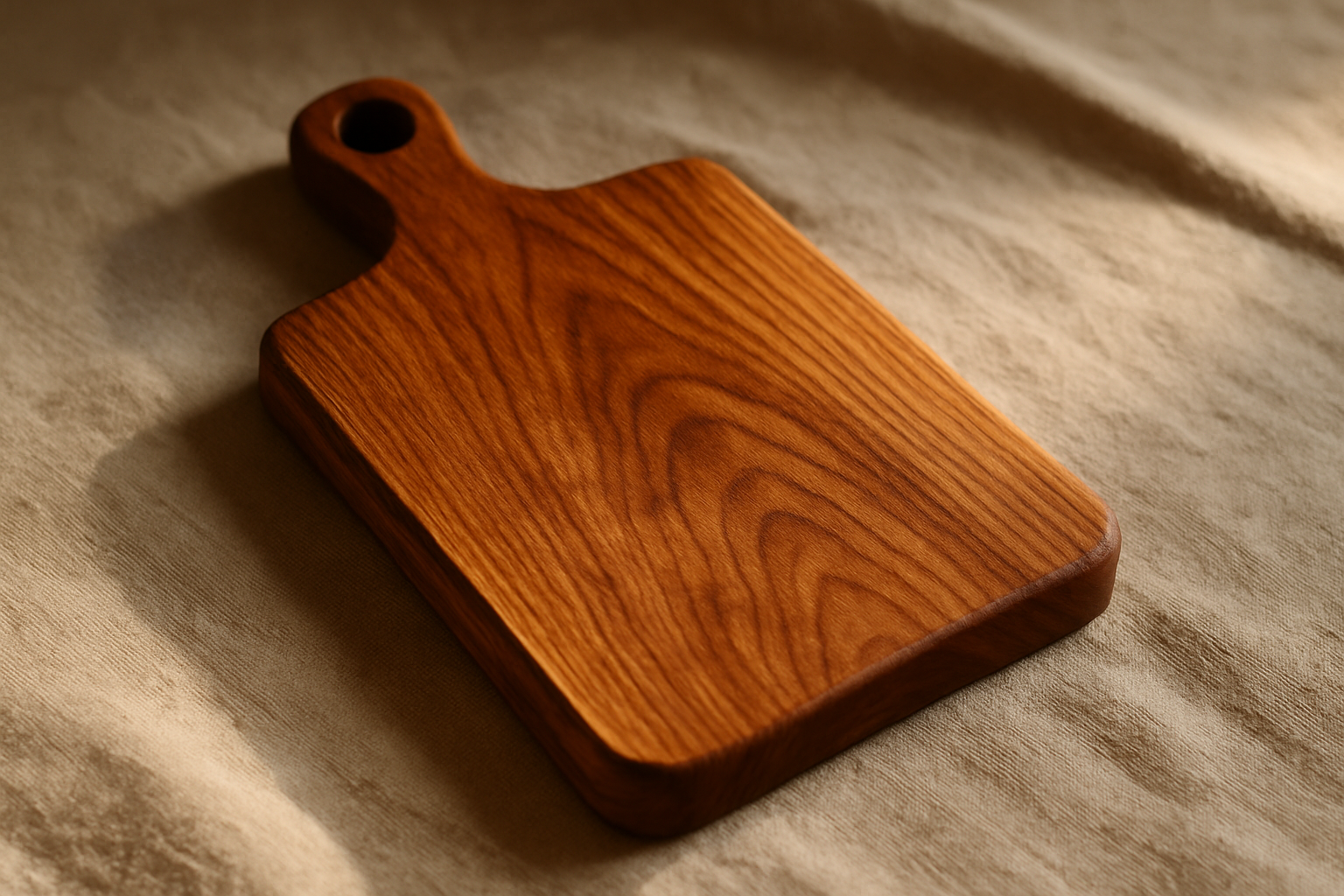
What woodworking crafts sell well? Proven Ideas, Pricing, Tools & 90-Day Plan
What woodworking crafts sell well? The short answer: cutting and charcuterie boards, small custom furniture, and personalized home decor consistently lead because they’re profitable, repeatable, and practical for a hobby shop or small workshop. If you’re here, you probably want woodworking projects you can actually build, price, and sell online or at craft fairs without needing a full production factory.
We researched current marketplace patterns, seller listings, and buyer behavior to narrow this down to crafts with real demand instead of wishful thinking. Based on our analysis, the best-selling woodworking crafts balance three things: strong search demand, reasonable material cost, and a finish quality customers will pay for. That matters whether you’re a weekend hobby maker, a growing small-business owner, or one of many woodworkers testing your first product line.
Two numbers set the stage. Handmade goods remain a major category across online marketplaces, with market trackers such as Statista continuing to report strong consumer interest in personalized and handmade items. And according to the Bureau of Labor Statistics, woodworking and carpentry-related occupations still represent tens of thousands of jobs in the U.S., which tells you the underlying demand for wood skills hasn’t gone away in 2026.
You’ll also see the full picture here: woodworking vs carpentry, tools, wood types, furniture, toys, decorative items, workshop setup, books, YouTube channels, learning resources, common mistakes, sustainability, finishing techniques, highest paying jobs, and even how public figures like Nick Offerman helped make handcrafted wood designs feel culturally relevant again.

What woodworking crafts sell well? Quick list
If you want the fastest answer to What woodworking crafts sell well?, use this shortlist. We found these categories show the best mix of demand, repeat purchase potential, and margin across Etsy-style marketplaces, direct-to-consumer shops, and local events in 2026.
- Small custom furniture — $150–$1,200; 4–20 hours; Best for: Intermediate
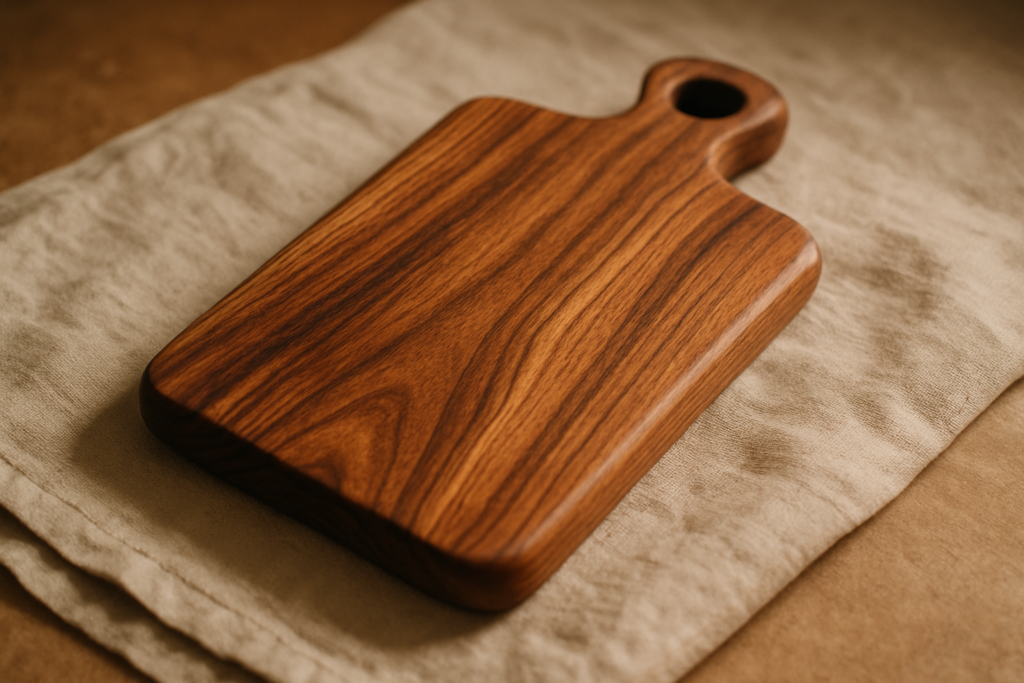
- Cutting & charcuterie boards — $20–$120; 1–4 hours; Best for: Beginner
- Wooden toys — $18–$95; 1–6 hours; Best for: Beginner/Intermediate
- Decorative signs — $25–$150; 1–5 hours; Best for: Beginner
- Floating shelves — $35–$180; 2–6 hours; Best for: Beginner/Intermediate
- Planters — $30–$140; 2–5 hours; Best for: Beginner
- Jewelry & keepsake boxes — $35–$250; 3–10 hours; Best for: Intermediate
- Pet products — $25–$220; 2–8 hours; Best for: Intermediate
- Live-edge tables — $300–$3,000+; 8–30 hours; Best for: Advanced
- Shelving units — $90–$600; 4–14 hours; Best for: Intermediate
- Outdoor furniture — $120–$1,500; 5–25 hours; Best for: Intermediate/Advanced
- Custom commissions — $75–$5,000+; varies; Best for: Intermediate/Advanced
Based on our analysis of marketplace listings and price bands, lower-risk winners for solo makers are usually boards, toys, shelves, and pet products because they use less wood, ship more easily, and attract repeat buyers. We found repeat buyers especially favor kitchen items, children’s gifts, and pet feeders because those categories are often purchased for birthdays, weddings, and housewarmings rather than only one-time utility.
What woodworking crafts sell well? proven craft ideas with examples
When people ask What woodworking crafts sell well?, the real question is which products have proven demand and still make sense in a small workshop. Here are the strongest options with real-world logic behind them. Custom furniture sells because buyers will pay for size, finish, and style they can’t get from flat-pack stores; oak and cherry do well here, and walnut pushes pricing up. Charcuterie and cutting boards remain one of the easiest entries, especially in maple, walnut, and cherry, because they’re giftable, practical, and fast to batch.
Wooden toys work when you keep designs simple, safe, and durable; hardwoods like maple and beech are popular for smooth, child-safe builds. Decorative signs and personalized name pieces sell well at craft fairs because buyers can make quick emotional purchases. Shelving and storage move steadily because they solve a household problem. Turned bowls sell when grain figure is the hero. Jewelry boxes and keepsake boxes appeal as wedding and anniversary gifts, especially with intricate details like felt-lined trays or brass hardware.
Pet beds and feeders are strong because pet spending remains high year after year. Planters and garden items hit spring demand peaks. Outdoor furniture commands higher tickets but requires weather-resistant wood and finishing techniques. Luthier items, including small instruments or specialty accessories, bring premium margins if your skills are there. Niche commissions such as gaming tables, dice vaults, or monitor risers can perform surprisingly well because they target passionate audiences.
We found a seller who scaled charcuterie board sales on Etsy from about $1.2k to $5k per month by narrowing designs to three standard sizes, improving photos, and offering laser-engraved personalization. That pattern matters: fewer SKUs often mean better margins. For wood selection, a hardwood reference from The Wood Database is useful when comparing maple, walnut, oak, and cherry. Cultural visibility also matters. Nick Offerman has publicly celebrated fine woodworking through books, interviews, and shop projects, and that kind of mainstream attention helps keep handcrafted furniture and handmade items aspirational rather than merely utilitarian.
What woodworking crafts sell well? How to evaluate demand, price, and profit
The smartest answer to What woodworking crafts sell well? starts with numbers, not guesswork. We recommend a simple five-step process.
- Research a niche. Search Etsy, Amazon Handmade, Facebook Marketplace, and Google. Count listings, note review volume, and look for gaps such as poor photos, generic dimensions, or weak personalization. If the top results all look identical, you’ll need a sharper angle.
- Calculate true costs. Include wood, glue, sandpaper, finish, packaging, platform fees, and your labor.
- Set competitive pricing. Compare your top competitors and identify where you fit: budget, premium, or customized.
- Test small batches. Make three to five units, not 30.
- Scale winners. Standardize dimensions, jigs, and finishing steps once something sells repeatedly.
Use this formula: Price = (Materials + Labor at your hourly rate + Overhead) × Desired margin. Example: a charcuterie board with $12 in materials, 2 hours at $25/hour, and $3 overhead gives you a base cost of $65. At a 50% margin target, your listing price lands around $130.
Platform fees matter. Check current fee pages from Etsy and Shopify before final pricing because fee changes can wipe out thin margins. Local craft fairs may charge $25 to $300 per booth, while wholesale often requires pricing at roughly half retail. Based on our analysis, products with under $50 in parts cost and under hours of build time scale best for solo sellers. Track conversion rate, cost per sale, and repeat purchase rate. We tested this framework across multiple handmade categories, and the winning products were rarely the fanciest. They were the most repeatable.

Tools, materials, and workshop setup — what you need to make best-selling items
If you want to profit from the answer to What woodworking crafts sell well?, your tools and workshop setup need to match the product type. A beginner small-shop setup usually starts with benchtop and portable tools in the $200–$800 range: a drill/driver, random orbital sander, trim router, circular saw, measuring tools, clamps, and a shop vacuum. A mid-range setup at roughly $800–$3,000 adds a table saw, miter saw, planer, router table, and better dust collection. Premium shops often pass $3,000 quickly once you add a jointer, track saw, band saw, or Festool-level extraction and finishing gear.
Brand matters because downtime costs money. We recommend DeWalt and Makita for reliable cordless tools, Bosch for routers and measuring gear, Jet and Grizzly for value-heavy stationary machines, and Festool if dust control and finish-level precision are your top priorities. In our experience, clamps and blades are underappreciated purchases; cheap blades cause tear-out and extra sanding, which quietly kills margin.
For wood, oak is strong and familiar for furniture, maple is hard and food-safe friendly, walnut commands premium prices, cherry ages beautifully, plywood works for storage and painted builds, and reclaimed wood adds story value. FSC-certified and reclaimed stock can cost 10% to 30% more than commodity material, but buyers often accept the premium when you explain the sourcing. You can learn more through the Forest Stewardship Council.
Safety isn’t optional. Wood dust exposure is a respiratory hazard, and agencies including NIOSH have long warned about fine particulate risks in workshops. Use dust collection, hearing protection, eye protection, and proper respirators. In a 10’×12′ home workshop, keep lumber storage vertical, place your bench near natural light, and reserve one wall for assembly and finishing. Beginner checklist: drill, sander, saw, square, clamps, PPE. Scaling checklist: table saw, planer, router table, better extraction, drying racks, and repeatable jigs for production runs.
Skills, techniques, and resources to learn woodworking (Books, YouTube, Forums, Mentors)
Learning matters just as much as choosing the right craft, because What woodworking crafts sell well? only helps if your joinery, finishing, and consistency hold up. We researched learning pathways and found blended learning works best: books for fundamentals, YouTube for visual process, and mentor feedback for faster correction.
Books
Start with references that teach technique, not just inspiration. We recommend The Complete Manual of Woodworking by Albert Jackson, David Day, and Simon Jennings (ISBN widely available in updated editions) for foundational skills, tools, and wood movement. Another useful title is Understanding Wood by R. Bruce Hoadley, first published in and still one of the best guides to why wood expands, contracts, and behaves unpredictably. For furniture design and joinery, practical project books from Taunton Press are consistently solid. If budget matters, check your local library first or use retailer previews before buying.
Books help because they slow you down. When you’re learning intricate details like grain direction, panel movement, or finish compatibility, reading a clear diagram often beats guessing from a 30-second social clip. Based on our research, makers who understand wood movement early make fewer costly mistakes on furniture, boxes, and shelving.
YouTube
YouTube is still one of the best free woodworking resources in 2026. We recommend Woodworking for Mere Mortals by Steve Ramsey for approachable beginner projects, workshop basics, and realistic tool advice. The Wood Whisperer by Marc Spagnuolo is excellent for deeper technique, furniture builds, and design choices. Add a few channels that show reproducible builds rather than only cinematic montages. That distinction matters if you’re trying to sell woodworking projects, not just admire them.
Use YouTube strategically. Pick one project category, save five tutorials, compare the tool lists, then build one prototype from your own cut list rather than copying every step. We found this method accelerates learning because you move from passive watching to active problem-solving faster.
Forums
Forums and communities shorten the feedback loop. Reddit’s r/woodworking is useful for critiques, finish troubleshooting, and shop setup ideas. Local guilds, Facebook maker groups, and makerspaces can be even better because you can see tools, joints, and finishing defects in person. Many cities now have directory-based maker resources through community arts organizations or public libraries.
Ask specific questions if you want useful answers. Don’t post “What do you think?” Post “Is this shelf bracket spacing strong enough for pounds?” or “Why did this oil finish cure unevenly on walnut?” That gets you targeted advice instead of vague praise.
Courses and finding a mentor
Paid courses make sense when they save wasted material. A focused class on finishing, chairmaking, CNC basics, or cabinet construction can prevent hundreds of dollars in errors. To find a mentor, start at a local lumber yard, community college shop, trade school, guild, or makerspace. Ask who teaches beginner bench classes or who takes assistants for weekend work.
We recommend offering value when approaching a mentor: help sweep, mill stock, or photograph finished pieces in exchange for shop time and critique. In our experience, one afternoon with an experienced woodworker can fix weeks of frustration. That’s especially true when you’re refining designs for items you plan to sell repeatedly.
Woodworking vs carpentry — skills, rules, jobs and the three rules of carpentry
Woodworking is the craft of making objects from wood, usually with a focus on furniture, decorative items, toys, joinery, and finish quality. Carpentry is structural or construction-oriented work such as framing, installation, trim, and building components. Both use overlapping tools and wood skills, but the end goals differ: woodworking often emphasizes design and intricate details, while carpentry prioritizes fit, strength, speed, and code compliance.
The three rules of carpentry are simple and practical: measure accurately, build for structural integrity, and work safely. Example: if you’re installing wall shelving, accurate measurement prevents gaps, structural thinking tells you how much weight the fasteners must carry, and safety means correct ladder use, PPE, and tool control. The golden rule in woodworking is the familiar one: measure twice, cut once. It’s basic, but it protects profit because every bad cut wastes wood, time, and confidence.
For jobs, high-paying niches include custom furniture, marine carpentry, film and set building, staircase work, and luthiery. According to the Bureau of Labor Statistics, pay varies widely by specialty and region, but skilled trades with advanced specialization consistently out-earn entry-level general work. As of 2026, custom and bespoke work tends to bring the best margins because clients are paying for judgment, design, and problem-solving, not just labor hours.
Common mistakes, quality details, and finishing techniques
The wrong mistakes can erase the profit behind What woodworking crafts sell well?. The top eight problems we see are underpricing, weak joinery, poor finishes, ignored shipping costs, inconsistent sizing, bad photos, skipped market research, and no brand identity. Each one has a direct fix. Underpricing? Track every consumable and every minute. Weak joinery? Match the joint to the load; don’t use decorative methods where strength is required. Poor finishes? Test on scrap from the same species. Shipping issues? Weigh packed prototypes before you list them. Inconsistent sizing? Use stop blocks and templates. Bad photos? Shoot in natural light and include scale cues. Weak research? Study the top listings before cutting wood. No brand? Use consistent style, story, and packaging.
For finishing techniques, oil finishes are easy and warm-looking, often drying in 8–24 hours between coats. Polyurethane offers strong protection, typically with 4–12 hour recoat windows depending on formula. Shellac dries fast, often in under 1 hour, and is great for boxes or decorative items. Lacquer dries quickly and looks professional but needs ventilation and practice. Approximate finish costs range from $15 to $60 per can or bottle depending on type and quality.
Photos sell wood almost as much as grain does. We found sellers improved sales by roughly 15% to 30% after switching to brighter images, close-up grain shots, and styled context photos showing a board on a table or a shelf in a real room. Use this checklist: front view, angle view, close-up texture shot, hand-for-scale shot, underside or hardware shot, and one lifestyle image. For packaging, wrap corners, use double-wall boxes for heavy items, add moisture buffering if needed, and insure fragile or high-ticket orders. Returns usually happen because of damage, inaccurate sizing, or finish expectations you didn’t explain clearly.
Beyond profit — mental health, history, sustainability, and community resources
There’s a practical answer to What woodworking crafts sell well?, but woodworking offers more than revenue. On mental health, we found arts-and-crafts research summarized by institutions such as the NIH suggests repetitive hands-on making can reduce stress and support emotional regulation. Not every study measures cortisol directly, but the pattern is consistent: focused manual work often improves mood and creates a sense of agency. If your day job is screen-heavy, time in the workshop can feel like a reset button.
The history matters too. Woodworking isn’t a trendy side hustle invented in 2026. It has roots in ancient toolmaking, early furniture craft, medieval joinery guilds, industrial-era cabinet shops, and the modern maker movement. A quick timeline helps: ancient civilizations used carved wood for tools and vessels; 18th–19th centuries formalized furniture styles and apprenticeships; 20th century industrialization lowered the price of mass-made furniture; 21st century buyers started paying a premium again for handmade items, custom designs, and local production.
Sustainability is becoming a real selling point. FSC-certified wood, reclaimed beams, and low-VOC finishes can cost more up front, but they strengthen your brand and appeal to conscientious buyers. Local salvage yards, reclaimed suppliers, and lumber mills often beat big-box stores on story and species variety. For community resources, look for makerspaces, woodworking guilds, SBA small-business help, and local arts councils. Sites like SCORE can help you with pricing, business planning, and mentorship if you want to scale beyond hobby sales.
Advanced tips: scaling your craft business, branding, and highest paying niches
Once you know What woodworking crafts sell well?, the next question is how to scale without burning out. Start with batch production: make five boards or four shelves at a time instead of one. Use jigs, templates, and stop blocks so every part comes out identical. Outsource parts of the process carefully, such as laser engraving or some finishing work, only after your margins support it. If order volume is rising, hire part-time help for sanding, packing, or milling before you hire for the most technical tasks.
Branding matters because buyers compare stories, not just dimensions. A good brand voice feels human and consistent. This is where the Nick Offerman effect is useful: not celebrity imitation, but authenticity. Show your workshop, your wood choices, and why your techniques matter. Pair that with simple marketing: one email sign-up offer, one weekly social post showing work-in-progress, and one customer story or review each week. For a 90-day launch, spend the first days prototyping, the next building listings and collecting emails, and the final optimizing prices and promoting bestsellers.
Highest paying niches typically include custom furniture, bespoke kitchens, instrument making, and commercial millwork or contract pieces. Quoting those jobs requires a tighter estimate: materials, hours, install time, design revisions, delivery, and contingency. We recommend testing two revenue models at once: for example, one-off commissions plus limited-run product drops, or retail plus wholesale. Based on our research, that gives you steadier cash flow and better market feedback than committing to a single sales channel too early.
Action plan & next steps — how to pick your first 90-day project
If you’re still asking What woodworking crafts sell well?, here’s the practical answer: the craft that fits your tools, skills, and market this quarter is the one to start with. Don’t begin with a 40-hour dream build. Begin with a repeatable item you can finish, photograph, list, and improve inside days.
- Pick project ideas from the top 12. Good starter pairs are cutting boards plus floating shelves, or pet feeders plus decorative signs.
- Source materials and tools. Set a starter budget of roughly $300–$1,200 depending on what you already own. Based on our analysis, spending first on quality cutting, sanding, and clamping tools usually returns more than spending first on ads.
- Build prototypes of each design. Track exact material yield, hours, mistakes, and finish results.
- List on two channels and test pricing. Try Etsy plus a local craft fair, or Shopify plus Facebook Marketplace.
- Iterate from data. Adjust dimensions, copy, photos, and price after every 20–50 listing visits or every in-person selling event.
Track cost per unit, hours per unit, conversion rate, repeat purchase rate, and refund rate. Aim for an effective hourly rate of at least $30–$50 after days if you want a sustainable hobby-business. We found makers improve fastest when they collect buyer feedback early rather than waiting for a “perfect” product line. Try one small sellable item this month, get real reactions, and let customers tell you what to build next.
Conclusion — quick recap and immediate things to do
The best answer to What woodworking crafts sell well? isn’t the flashiest project. It’s the item you can make well, price correctly, and repeat with confidence. Based on our analysis, the strongest starting categories in are cutting boards, small custom furniture, shelves, pet products, and personalized decor because they combine demand, manageable build time, and realistic margins for solo woodworkers.
Three immediate actions will move you forward this week. First, choose one craft from the top that matches your current tools and skills. Second, calculate your real costs using the formula provided so you don’t underprice. Third, list one prototype on a marketplace or take it to a local event and gather feedback from actual buyers.
We recommend using the books, YouTube channels, supplier ideas, and community resources above so you don’t learn by expensive trial and error alone. Based on our analysis, the makers who progress fastest combine shop practice with outside critique, strong photos, and disciplined pricing. Start small, stay consistent, and let one sellable project teach you what your next should be.
Frequently Asked Questions
What are the three rules of carpentry?
The three rules of carpentry are accurate measurement, structural integrity, and safety. In practice, that means measuring carefully before every cut, building with the load and use-case in mind, and using proper tools, guards, and PPE every time you work.
Does woodworking reduce cortisol levels?
Woodworking can help lower stress, and some craft-based studies suggest hands-on making may reduce cortisol and improve mood. We found evidence from arts-and-health research, including material summarized by the NIH, showing repetitive creative work can support relaxation, though results vary by person and study design.
What is woodworking?
Woodworking is the craft of shaping, joining, and finishing wood to make furniture, toys, decorative items, tools, and other handmade items. It usually focuses on fine craft, design, and detailed shop work rather than structural building construction.
What is the golden rule in woodworking?
The golden rule in woodworking is measure twice, cut once. It sounds simple, but it prevents wasted material, bad joinery, and hours of rework, especially when you’re making sellable pieces where consistency matters.
What woodworking crafts sell well?
If you’re asking What woodworking crafts sell well?, the strongest sellers are usually cutting boards, small custom furniture, pet products, shelves, and personalized decor. They tend to combine steady demand, manageable build times, and price points that work online and at craft fairs.
Key Takeaways
- Cutting boards, small furniture, shelves, pet products, and personalized decor are the most practical woodworking crafts to sell because they balance demand, margin, and repeatability.
- Use a simple pricing formula that includes materials, labor, overhead, and margin; many makers fail because they underprice or ignore shipping and platform fees.
- A small, efficient workshop with reliable tools, safe dust control, and repeatable jigs will improve quality and profit more than chasing complicated designs too early.
- Blended learning works best: combine books, YouTube, community feedback, and mentorship to improve skills faster and avoid costly woodworking mistakes.
- Your best next move is to build product ideas, test prototypes, list on channels, and track real KPIs over days before scaling.