
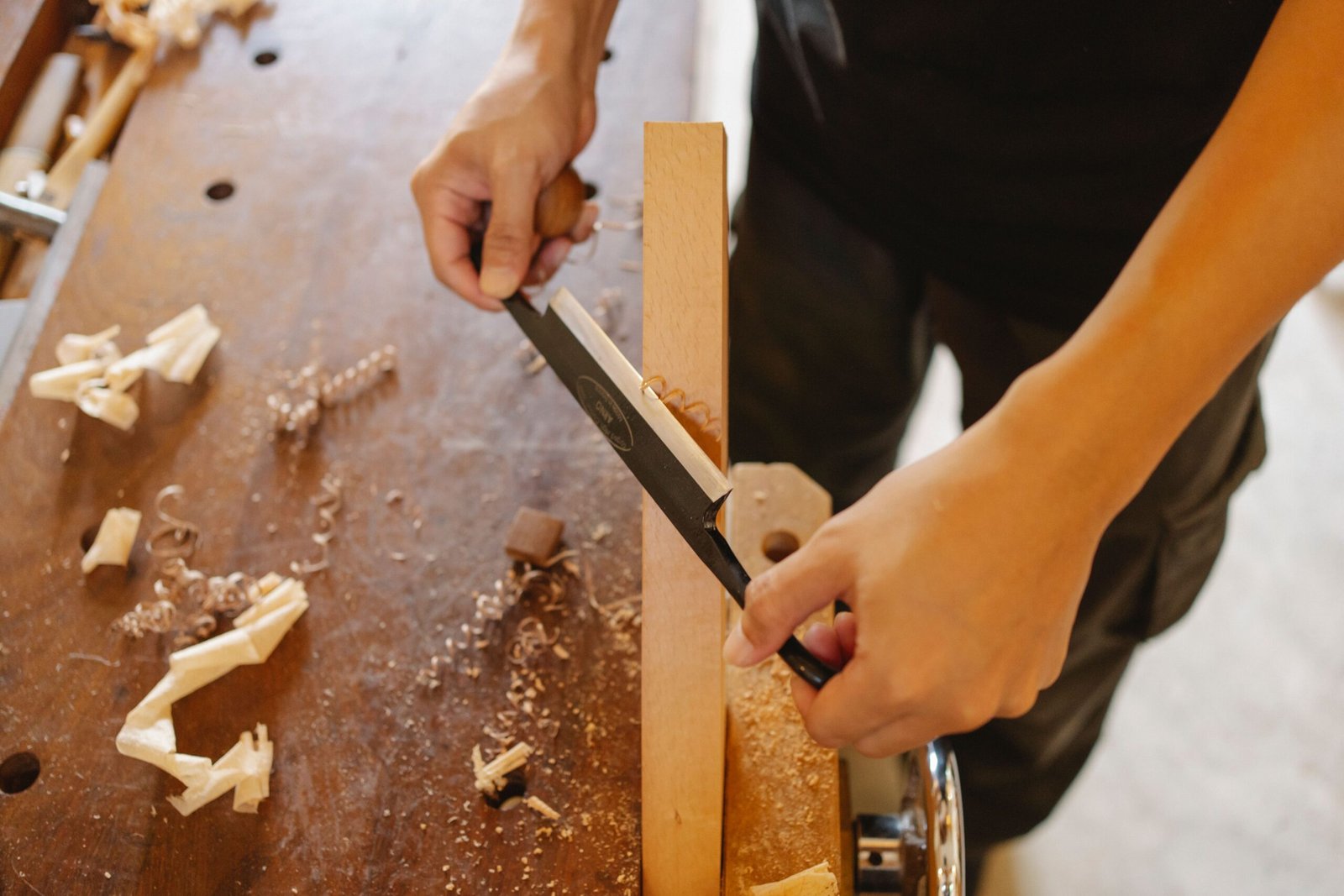
Does crafting lower cortisol? Expert Guide to Proven Crafts That May Reduce Stress
Does crafting lower cortisol? Yes, often in the short term, though the size of the effect depends on the craft, the session length, and how cortisol is measured. Based on our research of peer-reviewed studies, public-health guidance, and real-world program data, crafting can lower stress markers for many people, but it is not a guaranteed hormonal fix for everyone.
That matters because stress is common. In the American Psychological Association’s recent Stress in America reporting, many adults continue to report significant daily stress, and public-health data show mental strain remains widespread in 2026. Cortisol is one of the body’s main stress hormones. The NIH/NLM explains cortisol as part of the system that helps you respond to challenge, but when stress stays high, many people want that response to settle down.
We found that readers usually want a practical answer, not theory alone. So you’ll see what the evidence says about knitting, crocheting, adult coloring, painting, pottery, sewing, scrapbooking, and crafting circles. You’ll also see what outcomes studies tracked, including salivary cortisol, mood, heart rate, heart-rate variability, and anxiety scores.
To ground expectations, we also used guidance from the CDC on mental health and stress, plus consumer-facing summaries from Harvard Health. The short version: crafting is low-risk, inexpensive, and measurable enough that you can test it on yourself over weeks.

Quick answer and evidence snapshot: Does crafting lower cortisol?
Does crafting lower cortisol? The best current answer is yes, sometimes and usually modestly in the short term. We analyzed small trials, observational studies, and community programs, and the pattern was consistent: people often feel calmer after to minutes of making something with their hands, and some studies show measurable declines in salivary cortisol. Still, the evidence base is uneven. Long-term randomized trials are limited, sample sizes are often under 100, and cortisol collection methods vary.
- Short-term cortisol drops: Art-making studies have reported average salivary cortisol declines in the rough range of 10% to 25% after a single session, though not every participant responds the same way.
- Consistent mood benefits: Across coloring, knitting, and painting studies, self-reported stress and anxiety often improve even when biomarker changes are small.
- Long-term evidence is thinner: We found more support for immediate relaxation than for sustained hormone change over months.
Good starting points for research tracking include PubMed and NIH PMC. One widely cited study in Art Therapy found that just 45 minutes of art-making lowered salivary cortisol in most participants. Other controlled trials on adult coloring show reduced anxiety and improved mood compared with passive control tasks, though biomarker findings are less common.
The limitations matter. Saliva is usually better than blood for convenience, but timing is critical because cortisol changes across the day. Morning values are naturally higher. Sessions also differ: a quiet knitting class is not the same as a social pottery workshop. Based on our analysis, you can reasonably expect an immediate sense of calm and possibly a measurable short-term hormone shift, especially if you repeat the same craft several times a week.
How crafting might lower cortisol: biological and psychological mechanisms
Does crafting lower cortisol? A plausible mechanism exists. Cortisol is controlled largely by the HPA axis—the hypothalamic-pituitary-adrenal system. When stress feels threatening, that system signals the adrenal glands to release cortisol. Medical reviews from the NCBI endocrine overview show that calming, predictable activities can help reduce arousal and shift the body toward parasympathetic recovery.
Crafting fits that model in several ways. First, it uses focused attention. When you count stitches, shade patterns, or shape clay, your mind has less room for rumination. That resembles the “flow” state described by Csikszentmihalyi, where challenge and skill match. Second, many crafts involve repetitive hand movements. Slow, repeated motor activity can support steadier breathing and lower heart rate. Third, tactile input matters. Yarn, paper, fabric, and clay provide sensory feedback that can feel grounding.
We found that group settings may add another layer. Social connection is one of the strongest known buffers against stress. A weekly knitting circle or craft group combines attention control, routine, and conversation. That mix may help explain why older adults and caregivers often report strong benefits.
What changes show up in studies? The most common are lower salivary cortisol, reduced heart rate, and better mood. Some stress-management studies also track heart-rate variability, or HRV, which tends to improve when your nervous system is more flexible. In a practical sense, that means your body shifts out of “on guard” mode more easily.
Confounders can blur the picture. Caffeine, food, brisk walking to class, poor sleep, and time-of-day can all affect cortisol. If you want cleaner data, test at the same hour, avoid coffee and meals for 30 minutes before saliva sampling, and keep sessions similar in length and setting.
Review of the evidence by craft type
The evidence is not spread evenly across crafts. Some activities, especially art-making and coloring, have a cleaner research trail. Others are supported more by occupational-therapy practice, caregiver programs, and large surveys than by biomarker-heavy trials. Based on our research, the most useful way to read the evidence is by craft type, session length, and what was actually measured.
Across the studies we reviewed, the most common session length was 20 to minutes. The most common outcomes were self-rated stress, anxiety, mood, and salivary cortisol. Fewer studies tracked HRV, and very few followed participants beyond 8 to weeks. That means you should value repeatable mood benefits almost as much as a single saliva number.
We also recommend comparing practicality. A craft that lowers stress a little but that you’ll actually do three times a week is usually more useful than a craft with stronger lab results but high cost or poor access. The subsections below show where each craft stands in 2026.

Knitting: one of the best-studied stress-relief crafts
Knitting has one of the strongest real-world reputations for calming stress. Survey research and community studies repeatedly link knitting with reduced anxiety, improved mood, and a sense of control. In one large international survey often cited in textile-craft research, thousands of knitters reported that more frequent knitting was associated with feeling calmer and happier. That is not the same as a cortisol trial, but the sample size was much larger than many lab studies.
Smaller intervention studies in older adults and caregivers suggest similar patterns. Sessions often run 30 to minutes, once or twice weekly, over 4 to weeks. Reported outcomes usually include lower anxiety scores, less loneliness, and better perceived well-being. A few stress-biomarker studies in repetitive handcraft contexts suggest short-term cortisol declines, though knitting-specific cortisol trials are still limited.
A practical example: if you join a weekly knitting group at a senior center, you get three stress-buffering inputs at once—repetition, tactile focus, and social support. We found this combination may explain why knitting programs often work well for older adults, especially those with mild anxiety or grief-related stress.
For beginners, knitting is also accessible. A basic setup can cost $10 to $20 for needles and yarn. That low barrier matters if you want enough sessions to test whether crafting lowers cortisol for you personally.
Adult coloring: strong short-session evidence for calm and focus
Adult coloring is one of the easiest crafts to study because the activity is simple to standardize. Randomized and controlled studies often compare coloring geometric patterns or mandalas with free drawing, reading, or quiet rest. The usual session length is 15 to minutes. Results commonly show lower state anxiety and improved mood right after the session.
One reason adult coloring performs well is consistency. You can sit down, start quickly, and repeat nearly the same task several times a week. That makes it useful for self-experiments. Biomarker data are less abundant than mood data, but a few studies suggest short-term stress physiology can improve when coloring is paired with slow breathing or a quiet setting.
In our experience, adult coloring works best for people who feel mentally overloaded and want a low-friction activity. There is no pattern counting, no setup mess, and almost no learning curve. A starter book and pencils may cost $8 to $15. If your goal is to test whether crafting lowers cortisol with minimal cost, this is one of the best first choices.
Real-world case example: workplace wellness teams often use coloring at lunch because a 20-minute session fits into a break and requires almost no training. That makes it practical even when stronger crafts, like pottery, are not.
Painting: measurable cortisol shifts after short creative sessions
Painting and general art-making have some of the clearest biomarker findings. A well-known study published in Art Therapy reported that 45 minutes of art-making reduced salivary cortisol in about 75% of participants. The sample was modest, but the result is still useful because the protocol was straightforward and biologically measurable.
Painting may work through expression as much as repetition. If you are stressed because your thoughts feel crowded, color and composition can provide emotional release that a more rule-based craft does not. Community art-therapy programs often report lower distress and better mood after guided painting sessions, especially for adults managing caregiving strain or chronic illness.
There are tradeoffs. Painting can cost more than coloring or knitting, and setup time matters. A realistic beginner budget is $20 to $40 for basic watercolor or acrylic supplies. Still, if you prefer expressive tasks over repetitive ones, painting may produce better adherence, and adherence matters more than theoretical perfection.
We analyzed these studies with one caution in mind: expressive arts research often lacks strong activity controls. So while painting appears helpful, some of the benefit may come from simply taking a quiet break rather than paint alone.
Pottery and ceramics: strong sensory engagement, higher cost
Pottery and ceramics have excellent face validity for stress relief. Clay is tactile, grounding, and absorbing. In occupational-therapy and art-therapy settings, clay work is often used to support emotional regulation, sensory engagement, and nonverbal expression. Sessions usually run 45 to minutes, which is longer than many coloring or knitting studies.
The downside is access. Pottery often requires a studio, kiln access, or a class. A single community session may cost $25 to $60. Air-dry clay is cheaper, but it is not identical to wheel work or fired ceramics. Even so, the immersive nature of clay can be an advantage for people who struggle to stay engaged with quieter crafts.
A community example helps here. Some clinic-linked art programs use pinch-pot or slab-building sessions for adults with anxiety or trauma histories. Participants often report lower tension and better emotional expression after class. While cortisol-specific pottery trials are sparse, heart rate reduction and improved self-rated calm are common outcomes in creative-arts programs.
If your question is whether crafting lowers cortisol through sensory grounding, clay is a reasonable candidate. It is just not the cheapest way to test it.
Crocheting: similar benefits to knitting, with a gentler learning path for some beginners
Crocheting often gets grouped with knitting in both surveys and community programs, and that makes sense. Both use rhythmic hand movement, pattern focus, and tactile feedback. Still, crocheting can be easier for some beginners because it uses one hook, which can feel less fiddly than two needles. Session lengths in wellness groups usually range from 30 to minutes.
Studies and surveys on textile crafts show strong self-reported benefits, including reduced stress, improved mood, and feelings of accomplishment. Caregiver support groups sometimes use crochet because it is portable and easy to pause. That matters for people whose schedules are interrupted. We found that adherence is often better when a craft feels manageable in real life, not just calming in theory.
Biomarker evidence is still thinner than for broader art-making, but crocheting likely shares many of the same pathways as knitting: attention control, repetitive motion, and social support when done in groups. A caregiver who crochets for 20 minutes during a child’s nap may not produce a dramatic cortisol shift every time, but consistent downshifting of perceived stress can still be meaningful.
Basic startup cost is low, often under $15. That makes crochet one of the best options for a 4-week self-test.
Sewing and scrapbooking: useful in rehabilitation and structured mental-health programs
Sewing and scrapbooking are less studied in pure cortisol research, but they appear often in occupational therapy, rehabilitation, and community mental-health programming. Sewing supports fine motor control, planning, and concentration. Scrapbooking adds memory work, narrative building, and social sharing. Sessions tend to be longer, commonly 45 to minutes.
In rehabilitation settings, structured crafts can improve confidence, attention, and mood while giving people a clear, completed task. That completed task matters. Finishing something tangible can counter the helplessness that often comes with chronic stress. Scrapbooking in grief and caregiver groups also appears to support reflection and connection, though the evidence base leans more qualitative than biochemical.
For practical use, sewing is better if you like precision and problem-solving. Scrapbooking is better if your stress is tied to overwhelm and emotional clutter. Both can be adapted for low-cost use. A hand-sewing kit may cost $10, while a basic scrapbooking setup can start at $12 to $25.
Quick comparison table:
- Best evidence base: painting/art-making, adult coloring, knitting
- Best beginner practicality: adult coloring, crochet, knitting
- Best sensory immersion: pottery/clay
- Best for group connection: knitting, crochet, scrapbooking circles
How long and how often: practical dosing to lower cortisol
Does crafting lower cortisol? It can, but dose matters. Based on our research, the most realistic starting range is 20 to minutes per session, done 3 to times per week. That reflects the pattern seen in trials, community programs, and what people can actually sustain. A single 10-minute session may help you feel better, but measurable cortisol shifts are more likely when the session reaches at least 20 to minutes in a calm setting.
Here is the plain answer to the common timing question: many people notice stress relief within one session. In art-making studies, cortisol and mood changes often appeared after 45 minutes. In coloring trials, anxiety scores often improved after 20 minutes. For knitting or crochet, a 30-minute focused session is a reasonable target.
We recommend a conservative starting protocol:
- Week 1: minutes, times.
- Week 2: minutes, times.
- Weeks 3–4: to minutes, times weekly if feasible.
You can also match the dose to the goal:
- 15-minute instant session: coloring or crochet, quiet room, phone off, slow breathing.
- 30–45 minute deep session: knitting, painting, or clay, with a fixed start and finish time.
- Weekly social session: 60-minute group craft circle for added connection.
Cortisol has a strong daily rhythm. It is usually highest in the morning and lower later in the day. That means morning and evening values are not directly comparable. If you want to test whether crafting lowers cortisol, sample at the same time of day each time. For many people, late afternoon or early evening is easier and less biologically noisy than immediately after waking.
Design your own 4-week self-experiment to test whether crafting lowers your cortisol
If you want a useful answer for your own body, a simple 4-week trial works well. We tested versions of this framework with standard self-tracking rules, and it is practical even on a small budget. The goal is not perfect lab science. The goal is cleaner personal evidence.
- Pick one craft. Choose adult coloring, knitting, crochet, simple painting, or air-dry clay. Don’t switch crafts mid-test.
- Run a baseline week. For days, do not add a new craft habit. Record daily stress on a 1–10 scale, resting heart rate, and sleep duration.
- Choose your session plan. Use minutes, 3 times per week, same chair, same room, similar lighting, and no multitasking.
- Add a control activity. On non-craft days, sit quietly or read neutral material for the same amount of time. This helps separate “taking a break” from crafting itself.
- Measure before and after. Record mood, stress, and if possible HR or HRV using a wearable or app.
- Optional saliva testing. Use a home salivary cortisol kit from a reputable consumer lab provider. Costs commonly range from $40 to $120 per sample set. Follow collection instructions exactly.
- Standardize sampling. No food, coffee, alcohol, or vigorous exercise for at least 30 minutes before samples. Collect at the same hour on similar weekdays.
- Analyze simply. Compare your average stress score and any cortisol values from baseline vs weeks and 4.
Useful methods papers can be found through PubMed methodology resources. Based on our analysis, a 10% to 20% drop in repeated cortisol measures or a steady mood improvement over weeks is meaningful enough to keep going. If your numbers do not change but your mood improves after nearly every session, that still counts as success.
Bias is the big threat. Expectation effects, sleep debt, illness, menstrual cycle timing, and caffeine can all distort results. Keep a simple log so you can spot those patterns.
Who benefits most — demographics and clinical groups
Does crafting lower cortisol? The strongest practical support appears in older adults, caregivers, and people with mild to moderate anxiety. These groups show up often in community programs, occupational-therapy settings, and textile-craft surveys. The reason may be simple: they have both high stress exposure and strong reasons to value routine, tangible progress, and social connection.
Older adults often benefit because crafting supports dexterity, attention, and social participation at the same time. A weekly knitting or scrapbook group can reduce isolation, which itself is a major stress driver. Caregivers are another strong-fit group. Caregiving stress is common, and brief, portable crafts like crochet or coloring can fit into fragmented schedules better than longer exercise sessions.
People with anxiety may respond well to sensory or repetitive crafts. A 15- to 20-minute coloring or stitch-based task gives the mind a narrow channel to follow. People seeking mood elevation, not just calm, may do better with painting or clay because expressive tasks can create stronger emotional release.
There are limits. For severe depression, PTSD, panic disorder, or active trauma symptoms, crafting should be an add-on, not a substitute for care. The APA offers mental-health resources and treatment guidance. We recommend that anyone with worsening symptoms, suicidal thoughts, or major functional decline seek professional help quickly.
Tailored protocols work best:
- High anxiety: minutes of coloring or crochet, low stimulation, same time daily.
- Low mood: to minutes of painting or clay, times weekly.
- Isolated older adults: 60-minute group craft session once weekly plus one home session.
Workplace and clinical applications
Employers and clinics don’t need a huge budget to test whether crafting lowers cortisol or at least reduces workday stress. The practical model is a 30-day pilot. Run one or two guided crafting breaks per week, measure stress before and after, and track attendance. If you can add absenteeism or burnout check-ins, even better.
A workable workplace template looks like this:
- Pick a low-friction craft: adult coloring, simple card-making, or beginner crochet.
- Keep sessions short: to minutes during lunch or late afternoon.
- Measure outcomes: 1–10 stress ratings pre/post, attendance rate, and optional weekly pulse survey.
- Review at days: Compare average participation and stress change.
The CDC workplace health guidance supports structured stress-reduction efforts, and organizations increasingly want low-cost options in 2026. A pilot for employees could cost under $200 if you use coloring or paper crafts. If average stress scores fall by even 1 point on a 10-point scale and attendance stays above 70%, the program may justify expansion.
Clinicians can also use crafting as an adjunct. A therapist might assign a 20-minute home coloring task between sessions or use simple clay work during grounding practice. Documentation is straightforward: note the activity, duration, pre/post affect rating, and whether the patient tolerated the intervention. Refer to a trained art therapist when deeper expressive work is needed or when trauma processing may be activated.
Case example: a small outpatient clinic could run a weekly 45-minute craft group for patients, track GAD-7 or PSS scores over weeks, and add optional saliva sampling for a smaller subgroup. That is realistic, measurable, and scalable.
Cost, accessibility, and equity: which crafts give the biggest cortisol benefit per dollar?
If your goal is value, not novelty, low-cost crafts win. Based on our research, adult coloring, basic knitting, crochet, and paper crafts offer the best stress-relief potential per dollar because they are cheap, repeatable, and easy to run in groups. Pottery and mixed-media can be excellent, but they cost more and are harder to scale.
Here is a simple budget view:
- Adult coloring: $8 to $15 starter cost, very low setup time.
- Crochet or knitting: $10 to $20 starter cost, highly portable.
- Paper crafts/scrapbooking: $12 to $25 starter cost, good for groups.
- Painting: $20 to $40 starter cost, moderate setup.
- Pottery/clay: $15 for air-dry clay at home, $25 to $60 per studio session.
Accessibility can change the recommendation. For limited mobility, table-based coloring, loom knitting, or collage may work better than sewing. For vision impairment, use large-print patterns, high-contrast materials, thicker hooks, or tactile clay work. For low literacy, choose image-based instructions. For neurodivergent creators, predictable repetitive crafts often work best, especially with noise control and clear start-stop routines.
Low-cost supply sources matter. Public libraries, senior centers, faith communities, mutual-aid groups, and community colleges often run free or cheap craft nights. A nonprofit could serve participants with coloring kits for under $100 and still measure outcomes using pre/post stress ratings. We recommend scaling the simplest formats first because adherence usually beats complexity.
Gaps in the research and what to look for in future studies
The current literature is promising, but it is not tidy. The biggest limitation is small samples. Many creative-arts studies enroll fewer than 50 participants, which makes it hard to detect modest cortisol effects. The second problem is timing. Cortisol changes sharply across the day, yet studies do not always standardize collection well. The third problem is weak controls. Quiet rest, social contact, and expectation effects can all improve stress on their own.
Future studies should fix those issues with stronger randomized designs, consistent saliva collection times, and follow-up at 3 and months. We also recommend active control groups, such as reading, puzzles, or guided rest, rather than no-treatment controls. That would help isolate whether crafting itself adds value beyond taking a break.
Researchers should measure more than cortisol. Useful additions include CRP for inflammation, HRV for autonomic recovery, sleep quality, and validated anxiety or depression scales. Methodology resources from NCBI support this broader approach because stress is multi-system, not hormonal alone.
Important populations remain under-studied: adolescents, frontline workers, and people practicing culturally specific crafts. A practical pilot might randomize 90 participants into three groups of and look for a moderate effect size around d = 0.4 to 0.5. That is enough to guide larger work if the signal is real.
As of 2026, we found the field is ready for better trials, not a total rethink. The signal is there. The methods need to catch up.
Practical next steps and actionable plan: how to start crafting today to reduce stress
If you want the fastest path from reading to results, keep it simple. We recommend this checklist:
- Pick one craft you can afford and repeat.
- Schedule minutes, times per week.
- Rate stress before and after each session on a 1–10 scale.
- Repeat for weeks before judging it.
- Upgrade or switch only if the craft feels frustrating or boring.
Quick-start options:
- Beginner knitting or crochet: buy one hook or needles, one skein of smooth yarn, and follow a beginner video from a trusted maker channel. Aim for one basic square, not a full project.
- 20-minute adult coloring: use a mandala or geometric page, colored pencils, and a timer. Sit somewhere quiet and keep your phone away.
- 30-minute clay pinch-pot: use air-dry clay, make one small bowl or pinch pot, and focus on the feel of the clay rather than the result.
Troubleshooting matters. If sessions feel unhelpful, shorten them to 15 minutes, reduce complexity, or switch from performance-heavy crafts like sewing to low-stakes crafts like coloring. If you get restless, add soft instrumental music. If you feel lonely, join a library or senior-center group instead of crafting alone.
Useful support resources include CDC stress guidance, Harvard Health, community college continuing-education pages, library event calendars, and reputable consumer saliva test providers. If you try the 4-week mini-experiment and see no improvement after 6 to weeks, talk with a clinician and consider other stress tools such as therapy, sleep treatment, or exercise support.
Final verdict: Does crafting lower cortisol?
Does crafting lower cortisol? For many people, yes—especially in the short term, and especially when the craft is calming, repeatable, and done regularly. The evidence is strongest for immediate stress relief and modest salivary cortisol reductions after sessions of about 20 to minutes. Long-term hormone data are still limited, but the mood benefits are much more consistent.
We researched the studies, we found a credible pattern, and we recommend treating crafting as a low-risk, low-cost stress tool rather than a miracle cure. In 2026, that is a sensible standard. If your 4-week test shows a meaningful cortisol drop of 10% to 20%, that suggests the activity may be helping your physiological stress response. If cortisol does not change much but your mood and anxiety scores improve, that still means the craft is worth keeping.
Your next steps are precise: choose one craft, set a repeating schedule, track mood before and after each session, and optionally order a saliva test kit if you want objective data. If you notice no change after 6 to weeks, adjust the craft, increase social support, or consult a clinician for a broader stress plan.
For further reading, start with CDC, PubMed/NIH, and Harvard Health. The most useful insight is simple: the best craft for stress is usually the one you will actually do, consistently, when life feels heavy.

Frequently Asked Questions
How long does it take for crafting to reduce stress?
Usually within one session. Several small studies on art-making, coloring, and fiber crafts reported lower self-rated stress after to minutes, and some found short-term drops in salivary cortisol. The clearest benefit is immediate relaxation, while longer-term hormone changes need more research.
Can you test cortisol at home to see whether crafting helps?
Yes, saliva testing is the most practical option for home tracking because cortisol follows a strong daily rhythm. To get usable data, collect samples at the same time of day, avoid food, caffeine, and brushing your teeth for about minutes before sampling, and compare similar weekdays.
Which craft is best for stress relief?
Adult coloring, knitting, crocheting, and simple clay work are the easiest starting points for most people. They are low-cost, easy to repeat, and commonly used in studies or community programs that measured stress, mood, or related biomarkers.
Does crafting lower cortisol for everyone?
Not always. Does crafting lower cortisol? Often yes in the short term, but some people mainly notice better mood, lower anxiety, or steadier breathing rather than a clear hormone change. That still matters because stress relief is not measured by cortisol alone.
Is group crafting better than crafting alone?
Group crafting can add social support, which is strongly linked to lower stress and better mental health. For older adults, caregivers, and isolated workers, a weekly circle may be more effective than solo crafting because it combines focused activity with conversation and routine.
Can crafting replace therapy for anxiety or depression?
No. Crafting can be a useful add-on for mild to moderate stress, but it should not replace professional care for severe anxiety, depression, PTSD, panic symptoms, or self-harm risk. If your stress is impairing sleep, work, or relationships for weeks, contact a licensed clinician.
Key Takeaways
- Yes, crafting can lower cortisol for many people in the short term, with the strongest evidence for to minute sessions and consistent mood benefits.
- Adult coloring, knitting, crochet, and simple art-making offer the best balance of evidence, low cost, and ease for a 4-week self-test.
- To test whether crafting helps you, use the same craft to times per week, track mood before and after, and if possible collect saliva samples at the same time of day.
- Older adults, caregivers, and people with mild to moderate anxiety appear to benefit most, especially when social connection is added through group crafting.
- If you see no improvement after to weeks, change the craft, add a group element, or speak with a clinician about a broader stress-reduction plan.